- Open Hours: Mon-Fri 8:00 am-6:00 pm
- Email: ewastestar@gmail.com
- Address: 6A Anvil Way, Welshpool WA 6109, Australia

The Impacts of E-Waste on Health: A Growing Threat to Workers and Communities
August 10, 2024
- Star E Waste
- 1 Views
The Impacts of E-Waste on Health: A Growing Threat to Workers and Communities
Recycling valuable materials from electronic waste (e-waste) has become a vital source of income in the informal sector, especially in developing countries and emerging industrialized nations. However, many of the techniques used to extract materials such as copper and gold are primitive and extremely dangerous. One common method, burning cables to reclaim copper, exposes workers—both adults and children—as well as their families to a variety of toxic substances. These harmful activities not only damage the environment but also pose serious health risks that continue to affect communities for generations.
Health Risks from Hazardous Materials
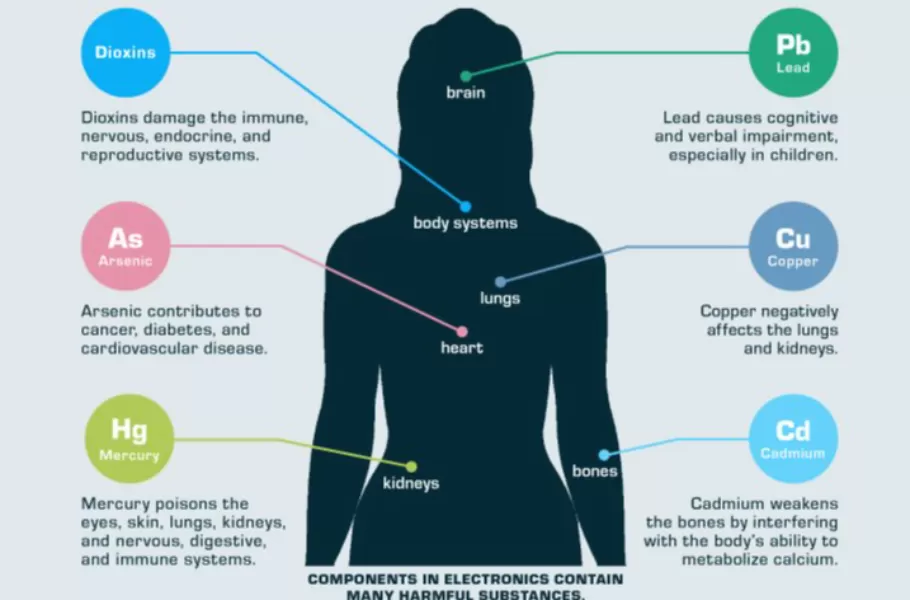
E-waste contains numerous dangerous chemicals, including lead, cadmium, chromium, brominated flame retardants, and polychlorinated biphenyls (PCBs). Direct exposure to these substances can lead to poisoning, organ damage, and even cancer. Workers involved in e-waste processing often come into direct contact with these materials, either through skin absorption or by inhaling toxic fumes released during burning or dismantling processes.
Additionally, these toxic substances can seep into the surrounding environment, accumulating in the soil, water, and food supply. As a result, communities living near e-waste recycling centers are at a higher risk of chronic illnesses, including neurological disorders, respiratory problems, and skin diseases. Ingesting contaminated water or food can lead to long-term health issues, especially for children and pregnant women who are more vulnerable to these toxins.
The Dangers of Toxic By-products
In addition to the harmful chemicals present in e-waste, the process of recycling can produce a range of toxic by-products that further jeopardize human health. For example, the burning of plastic components in electronics releases dioxins, which are known to be carcinogenic and harmful to the immune system. These by-products can easily be inhaled or ingested, leading to further exposure to toxic substances that accumulate in the body over time.
The exposure to Reactive Oxygen Species (ROS)—chemicals that can damage cell structures—can also increase the risk of DNA damage. ROS are highly reactive molecules that can damage proteins, lipids, and DNA. When the DNA is damaged, it can cause breaks that may lead to mutations. These mutations are particularly problematic in non-dividing cells, where unrepaired DNA damage can accumulate over time, raising the likelihood of developing cancer.
Increased Risk of Injury
Beyond the chemical hazards, e-waste recycling can also lead to physical injuries. Workers involved in dismantling electrical equipment or breaking down hazardous components are at risk of sharp objects, electric shock, and heavy machinery accidents. The lack of proper safety protocols in informal recycling centers increases the likelihood of these injuries, which can be severe and even life-threatening.
The Long-Term Health Effects
The long-term health impacts of e-waste exposure are still being studied, but the evidence points to serious concerns. Neurological damage, such as cognitive impairment and developmental delays in children, can result from exposure to lead and mercury. Kidney and liver damage can occur from prolonged contact with cadmium and other toxic substances. In some cases, e-waste exposure has been linked to birth defects, reproductive issues, and respiratory diseases.
The Need for Safer Practices
The health risks associated with e-waste recycling highlight the need for stricter regulations, better recycling methods, and greater awareness of the dangers of improper disposal. Safer, more sustainable recycling practices that limit worker exposure to hazardous materials are essential to protecting both human health and the environment. Additionally, more efforts must be made to prevent e-waste dumping in developing countries where people are more likely to be exposed to these health risks.
In conclusion, the health impacts of e-waste go far beyond the immediate dangers posed by exposure to harmful chemicals. The long-term effects of e-waste recycling can have devastating consequences on workers, families, and entire communities. It is crucial that we adopt safer and more sustainable recycling practices to mitigate these risks and protect the health of both individuals and the planet.
Benefits of Our Service
With a Wealth of Experience and Unparalleled Expertise, Our Waste Disposal Management Services Offer Comprehensive Solutions for Sustainable and Responsible Handling of Various Types of Waste. Our Commitment to Excellence Ensures Efficient Processes, Environmental Compliance, and Peace of Mind.
- Efficient Waste Collection
- Sustainable Recycling Solutions
- Compliance with Regulations